The neighbourhood of the gods
Plaka is often called the "Neighbourhood of the Gods" because of its position at the foot of the Acropolis. People have lived here for thousands of years, and the lanes follow the layout of the ancient city. During the Ottoman period it was the heart of Athenian life, and after the Greek War of Independence it was rebuilt with the neoclassical houses that give the district its character today.
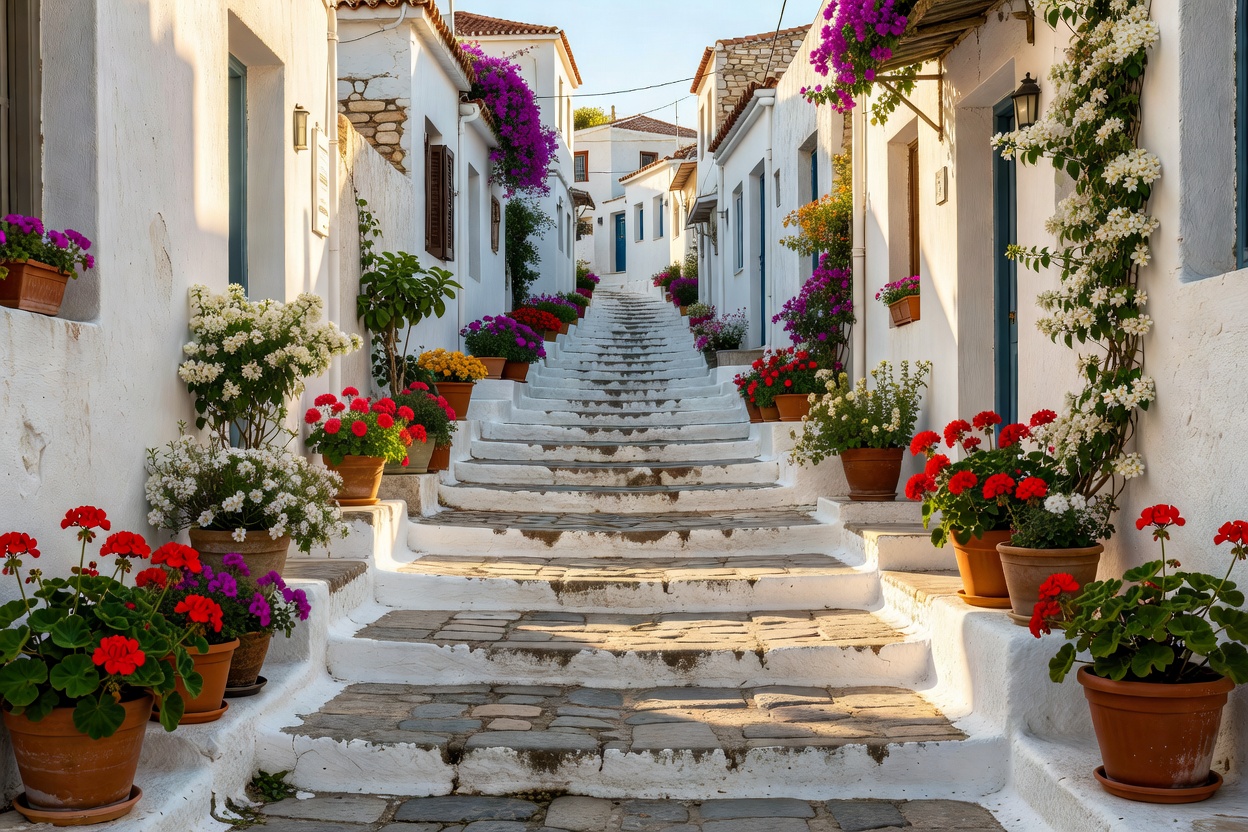
Anafiotika, on the north-east slope, is a different world. In the 1830s, after Athens became the capital of the new Greek state, King Otto's palace was built, and masons from the Cycladic island of Anafi were hired to construct it. They settled under the rock and built small whitewashed houses with blue-free Cycladic details, flowering courtyards and narrow stairways, recreating the village they had left behind.
Where to wander
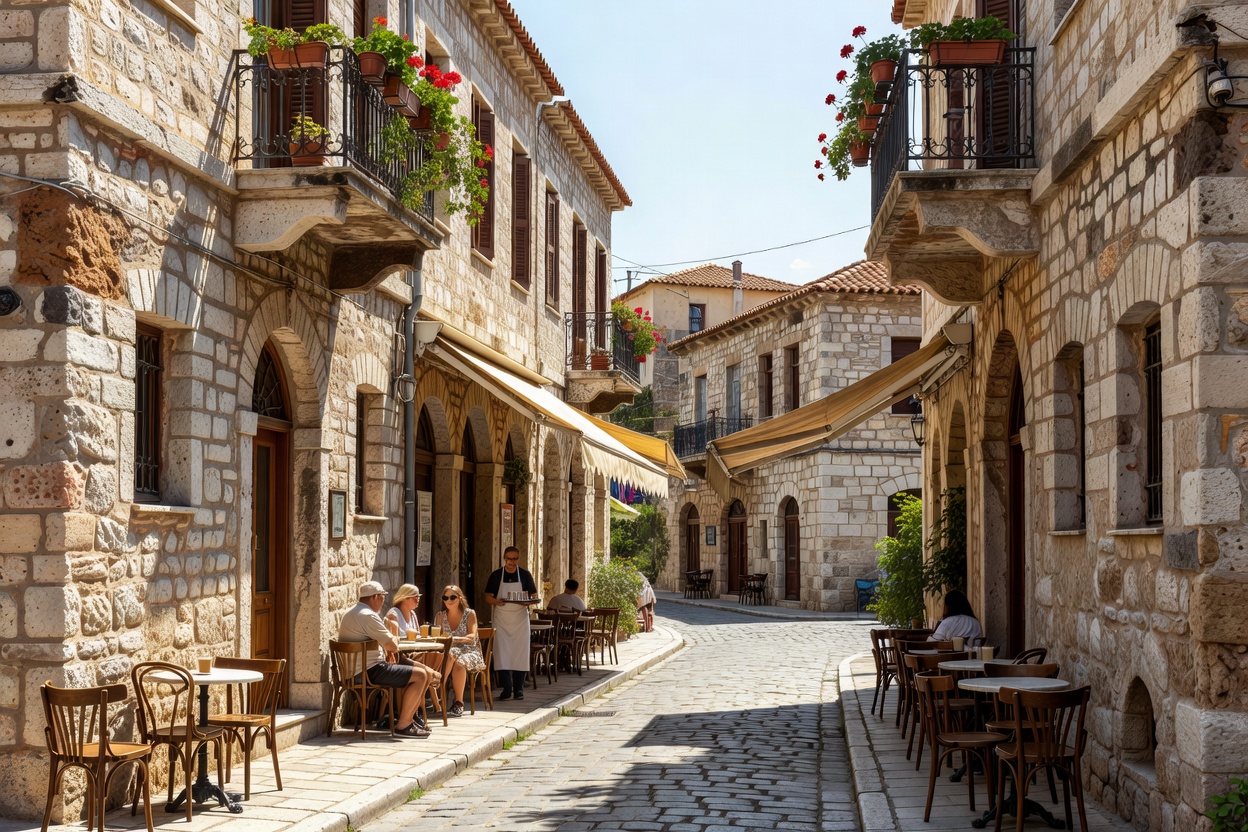
- Adrianou Street: a long pedestrian street running parallel to the ancient Agora, lined with cafés and shops.
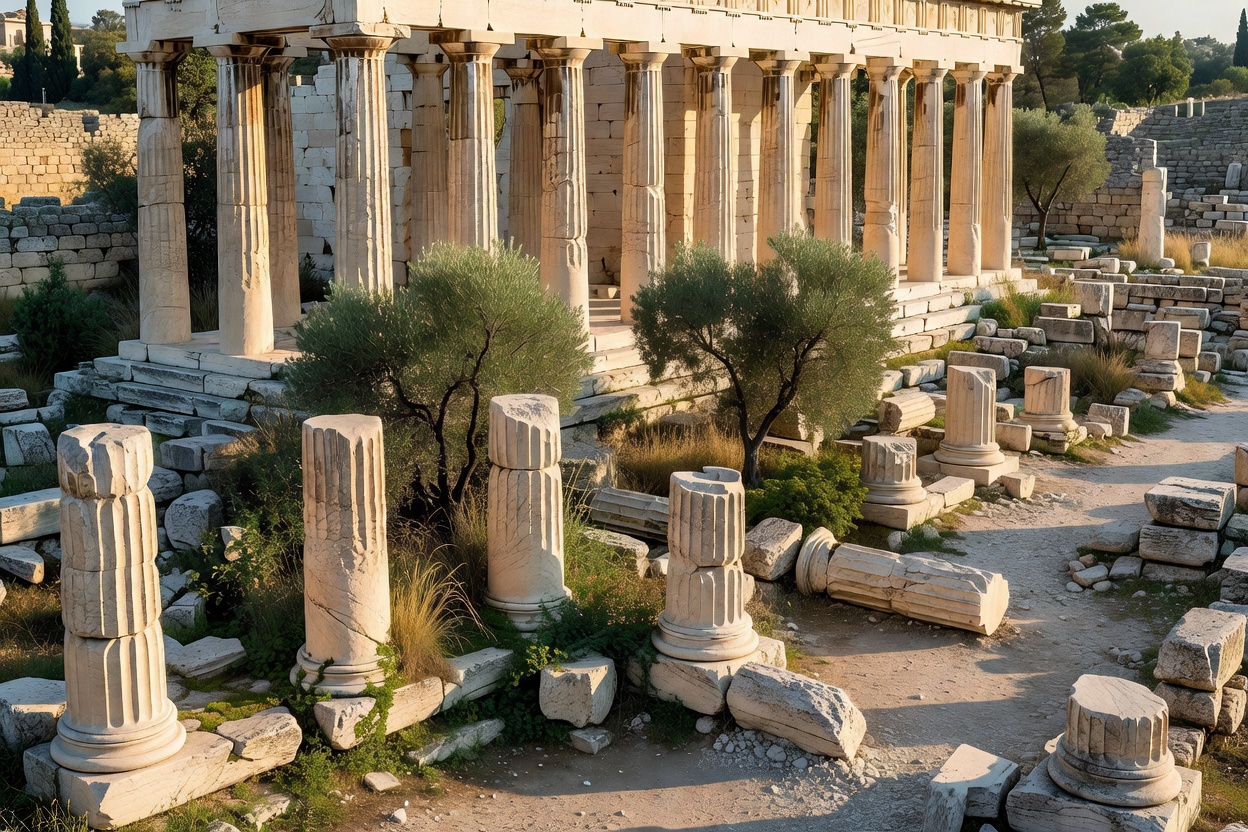
- Tower of the Winds: an octagonal first-century BC marble clock tower in the Roman Agora, carved with the eight wind gods.
- Monument of Lysicrates: a 335/334 BC choregic monument and the earliest known use of Corinthian columns on the outside of a building.
- Hadrian's Library: remains of a vast Roman-era library complex beside Monastiraki Square.
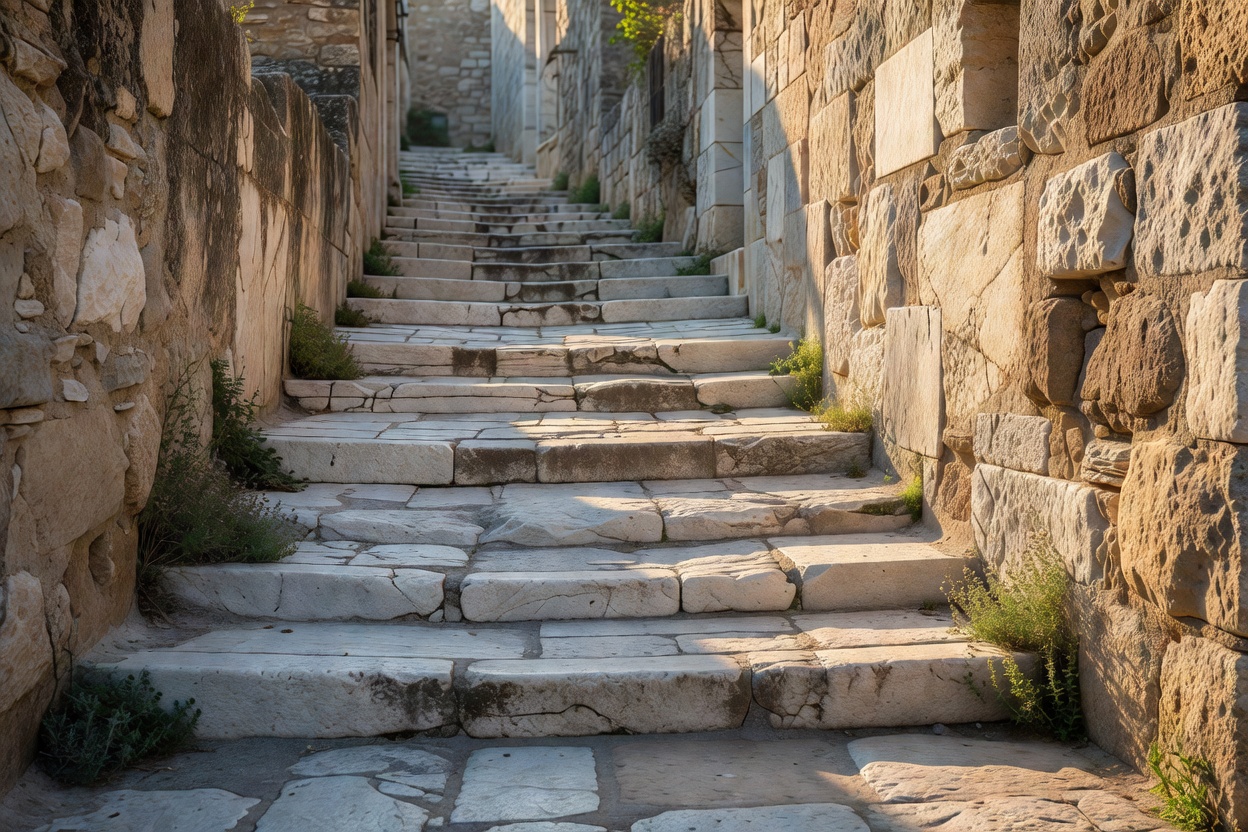
- Anafiotika steps: climb from Stratonos or Prytaneiou Street for whitewashed courtyards, cats and views over the city.
- Small museums: the Museum of Greek Folk Art and the Frissiras and Kanellopoulos museums are all within walking distance.
Information panels
Historical significance
- One of the oldest continuously inhabited districts in Europe.
- Anafiotika was built from the 1830s by workers from Anafi who came to build King Otto's palace.
- Preserved from the 1970s as a protected historic district with restrictions on new building.
Costs
- Wandering the streets is free.
- Individual sites such as Hadrian's Library, the Roman Agora and small museums charge separate admission.
- Café and taverna prices are higher on Kydathineon and Adrianou than on side streets.
- Many shops stay open late, but check prices before you order.
Hours
- Streets are open at all times; Anafiotika is a residential area, so keep noise low in the evening.
- Shops open mid-morning and often close late.
- Museums keep individual hours; many close on Mondays.
Recommended visiting times
- Early morning: empty lanes and good light for photography.
- Golden hour and early evening: the best atmosphere and long shadows.
- Midday in summer: heat is trapped in the narrow lanes, so shop or sit in the shade.
Nearby landmarks
- Acropolis, directly above the district.
- Ancient Agora, a short walk down from Adrianou Street.
- Monastiraki Square and the flea market.
- Mount Lycabettus is visible across the city.
Practical visitor tips
- Wear shoes with a good sole; lanes are steep, cobbled and sometimes polished.
- Respect residents: Anafiotika's houses are private homes.
- Choose a taverna away from the main thoroughfare and avoid restaurant touts.
- Keep valuables secure around Monastiraki.
Pros and cons
Highlights
- Free, photogenic and atmospheric
- Excellent for dinner and shopping
- Links several other sights together
Drawbacks
- Crowded and touristy on main streets
- Steep and uneven walking surfaces
- Limited accessibility for wheelchairs