
01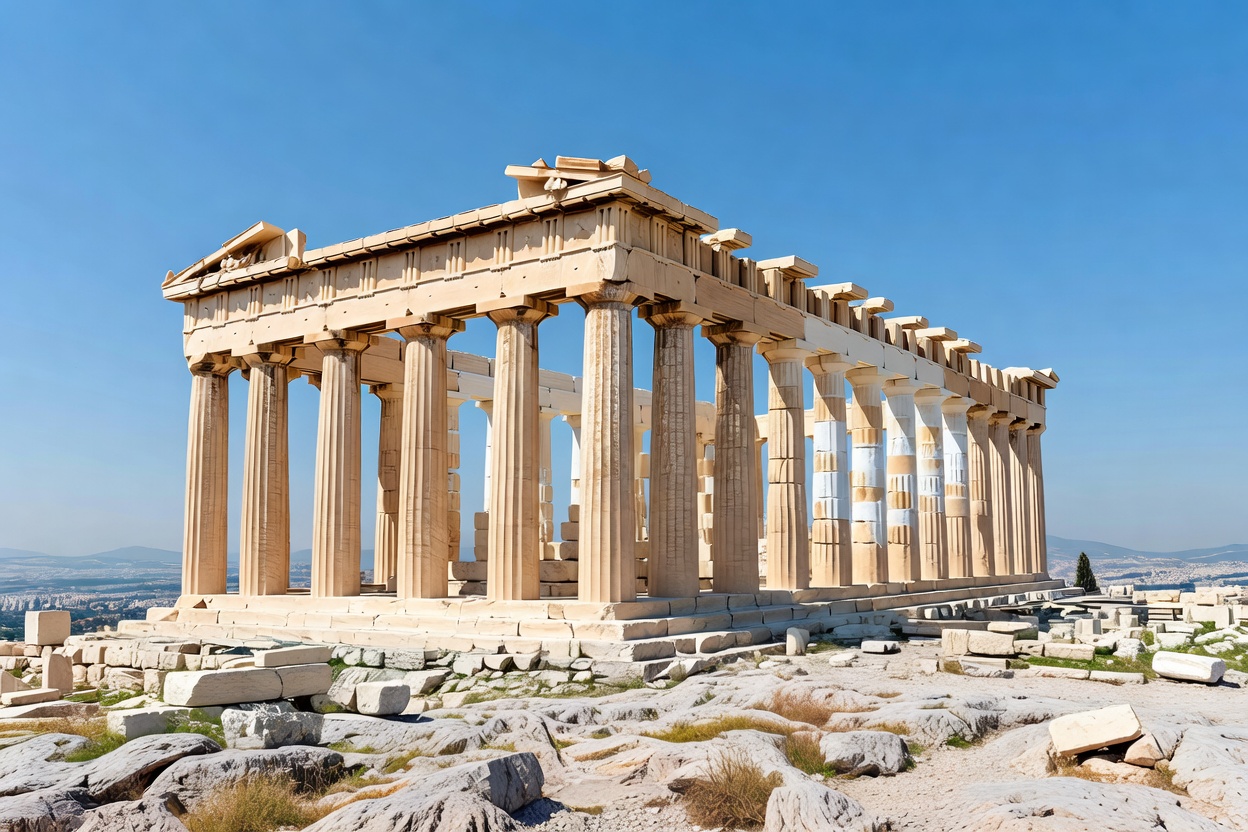 UNESCO World Heritage
The Acropolis & Parthenon
The sacred rock of Athena, crowned by the Parthenon, Erechtheion and Propylaia. Nothing else in Europe compresses so much classical history into one hilltop.
View Details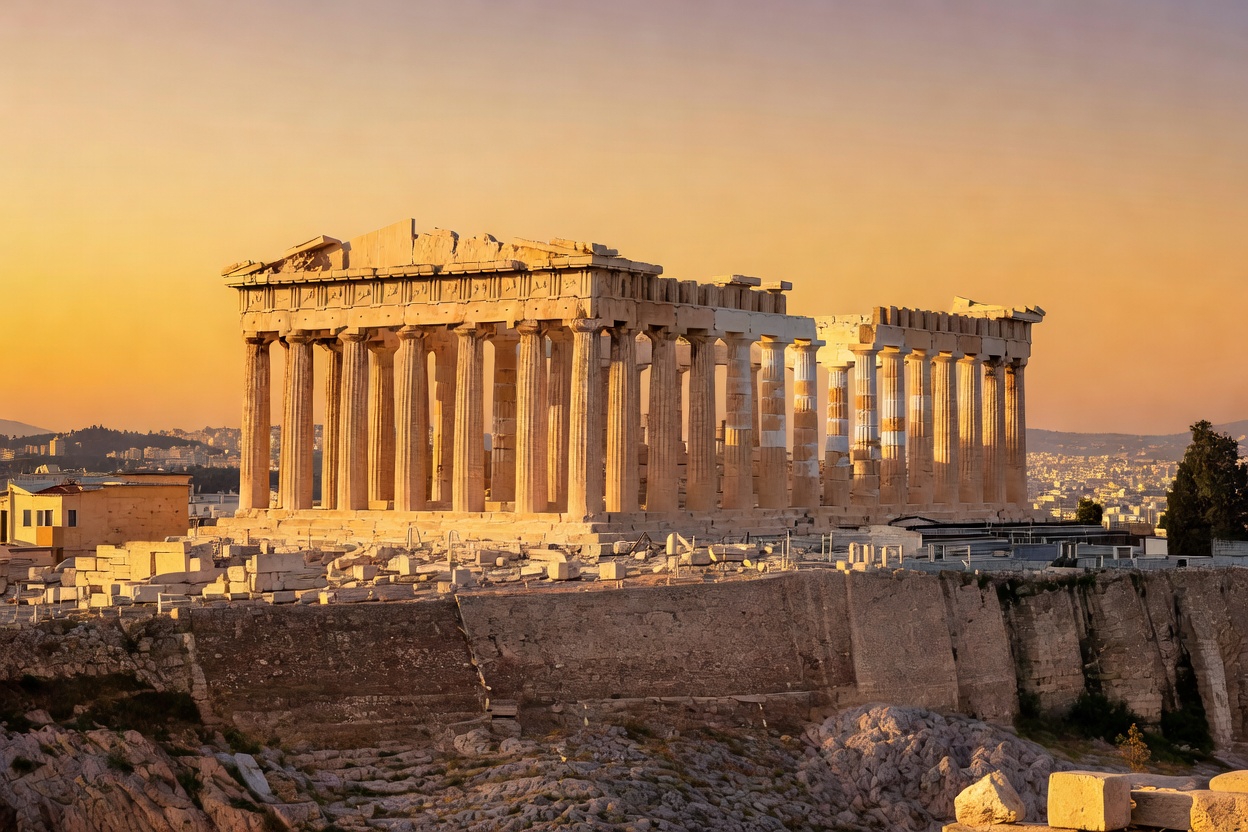
Athens, Greece · Editorial Travel Guide
From the marble of the Parthenon to the whitewashed lanes of Anafiotika, this guide gives you the history, tickets, hours and honest tips you need to see the heart of the Greek capital well.
The Essential Five
Chosen for historical weight, visitor experience and how well they work together on foot. Every card opens a full guide with panels for history, tickets, hours, best time, nearby landmarks and tips.
UNESCO World HeritageThe sacred rock of Athena, crowned by the Parthenon, Erechtheion and Propylaia. Nothing else in Europe compresses so much classical history into one hilltop.
View Details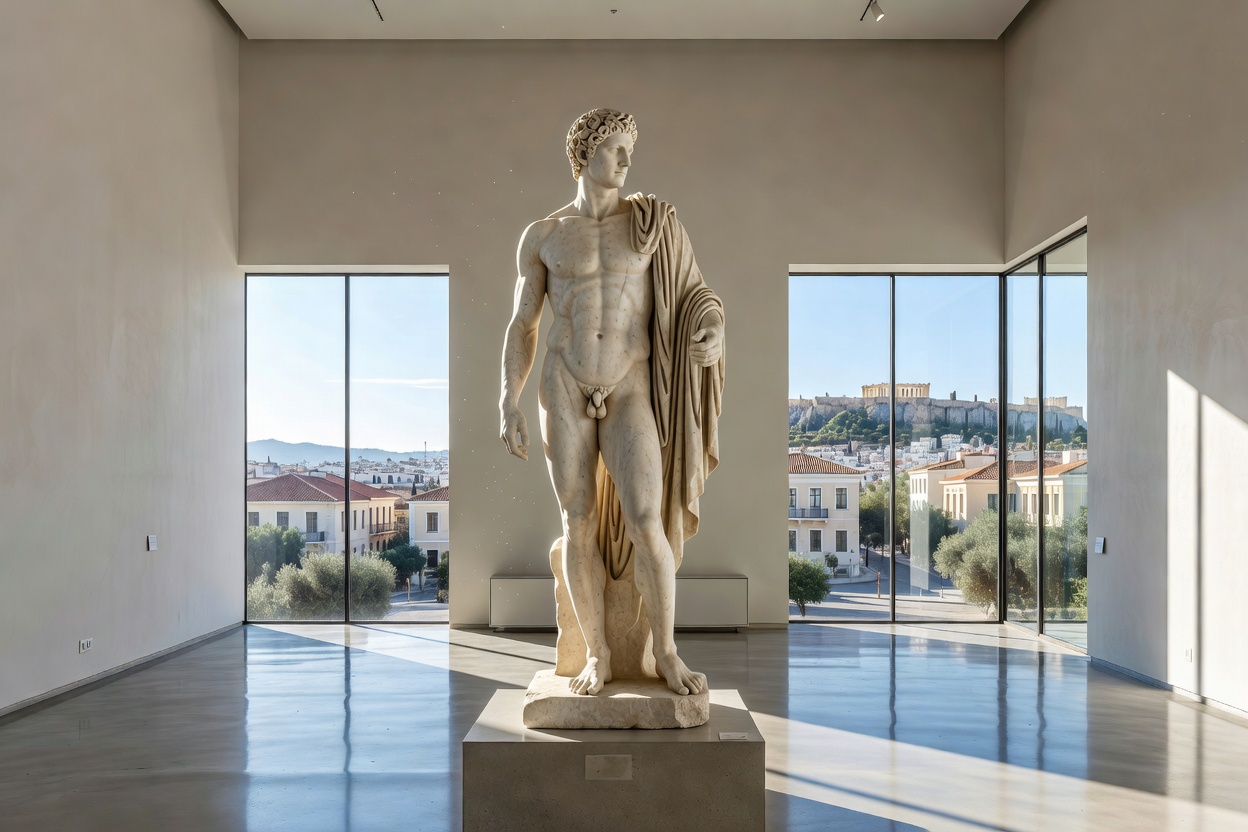 Sculpture & Context
A glass-and-concrete gallery at the foot of the rock where the original Parthenon frieze and the Caryatids are displayed in daylight, in sight of the temple itself.
View Details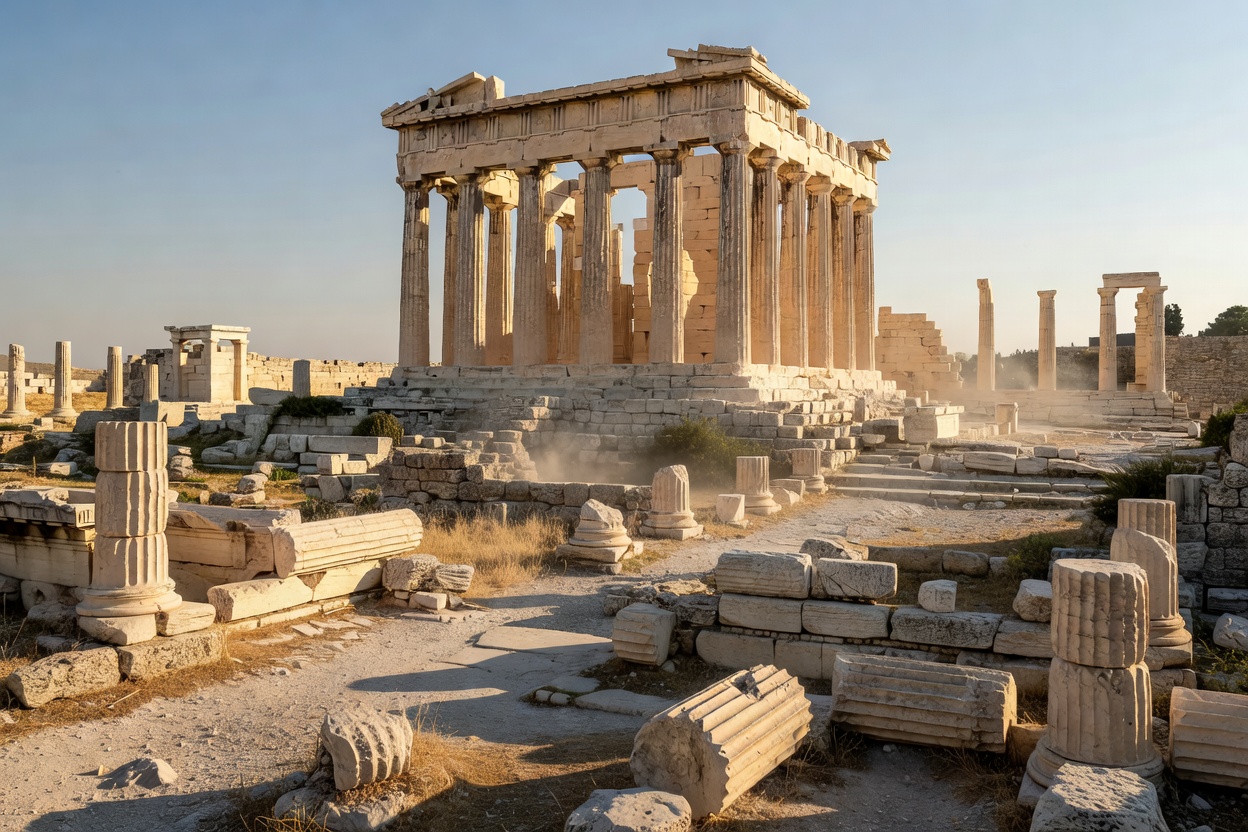 Birthplace of Democracy
Walk the marketplace where Socrates questioned and citizens voted, and see the best-preserved Doric temple in Greece.
View Details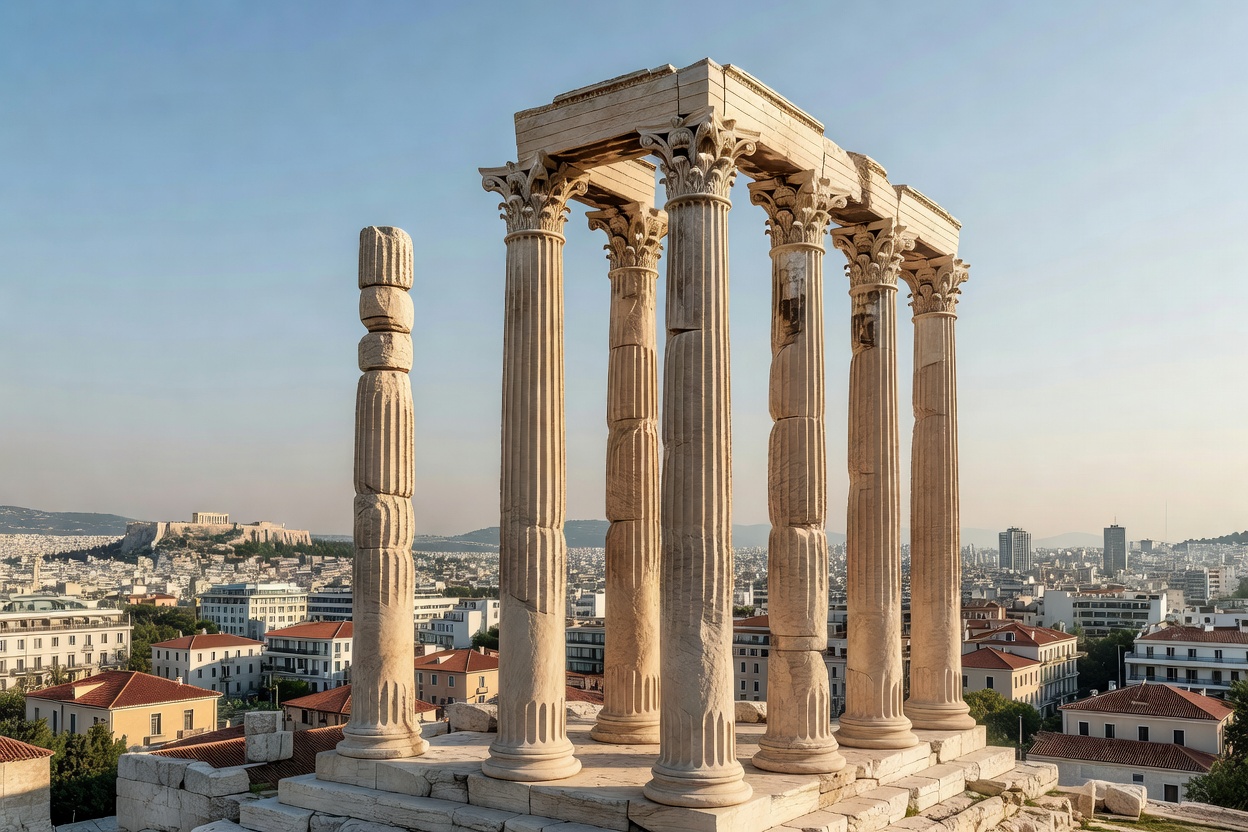 Roman-era Giant
Fifteen towering Corinthian columns mark what was once the largest temple in Greece, finished by Emperor Hadrian after 600 years.
View Details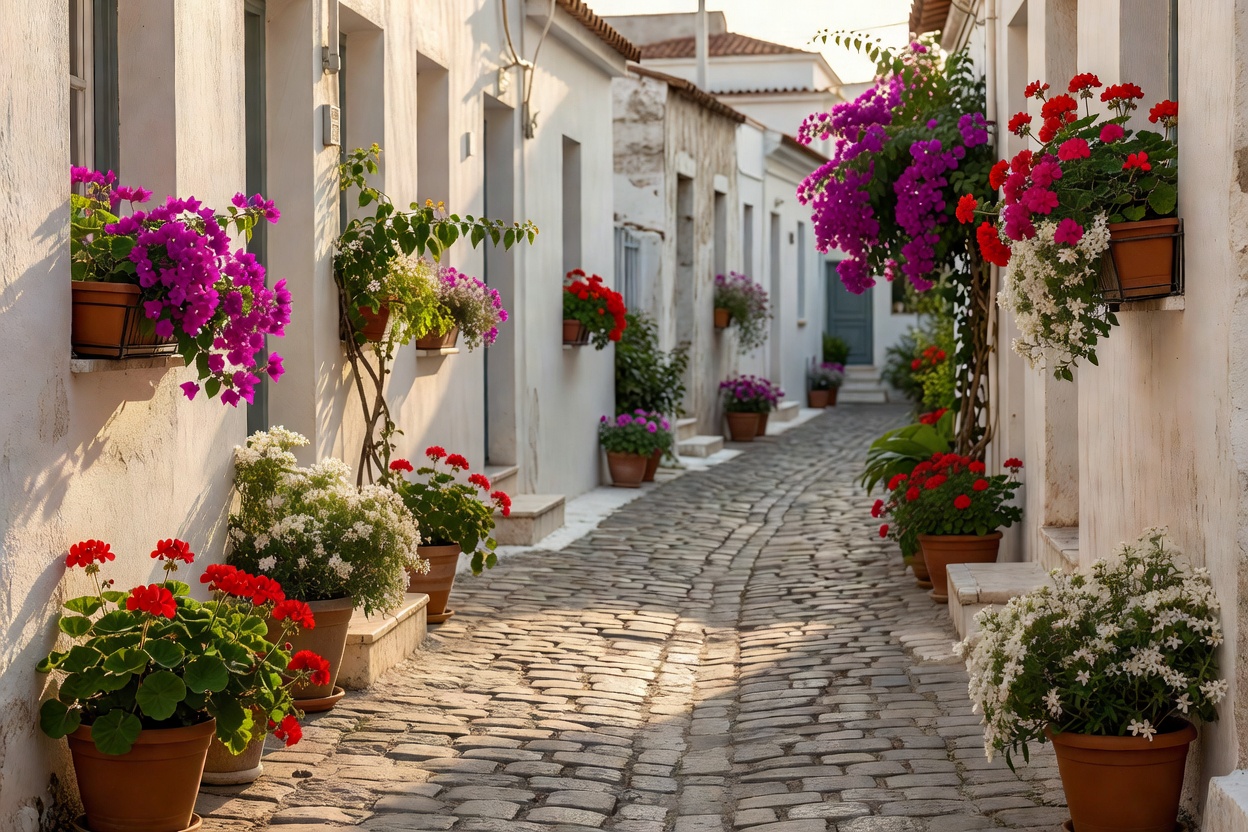 Old Town Atmosphere
Athens' oldest neighbourhood: neoclassical mansions, Byzantine chapels and a tiny Cycladic village tucked beneath the Acropolis.
View DetailsQuick Decision Helper
Choose your situation and we will suggest where to start.
Select the situation closest to yours and we will recommend the best place to begin, with a link to the full guide.
Side by Side
A quick view of effort, time and cost. The full comparison page adds crowd levels, best seasons and a decision guide.
| Attraction | Best for | Time needed | Ticket* | Setting | Effort |
|---|---|---|---|---|---|
| Acropolis & Parthenon | Iconic monuments, views | 2–3 h | €30 | Outdoor, hill climb | Moderate |
| Acropolis Museum | Sculpture, context | 1.5–2 h | About €20 | Indoor, air-conditioned | Easy |
| Ancient Agora | Democracy, shade, quiet | 1.5–2 h | About €10 | Outdoor plus small museum | Easy to moderate |
| Temple of Olympian Zeus | Scale, photography | 45 min | About €10 | Outdoor, flat | Easy |
| Plaka & Anafiotika | Atmosphere, food | 1.5–3 h | Free | Outdoor streets and steps | Moderate |
*Indicative prices for standard adult admission. Always confirm on the official sources listed on each attraction page before you travel.
Suggested One-Day Itinerary
All five attractions, sequenced to beat the heat and keep walking to a minimum.
Cool air, soft light, thinner crowds. Climb the Propylaia and circle the Parthenon.
Step inside to see the Parthenon frieze and the Caryatids at eye level.
Lunch, a short temple visit and an unhurried wander through Anafiotika.
Finish where democracy began, with the Temple of Hephaestus glowing at sunset.
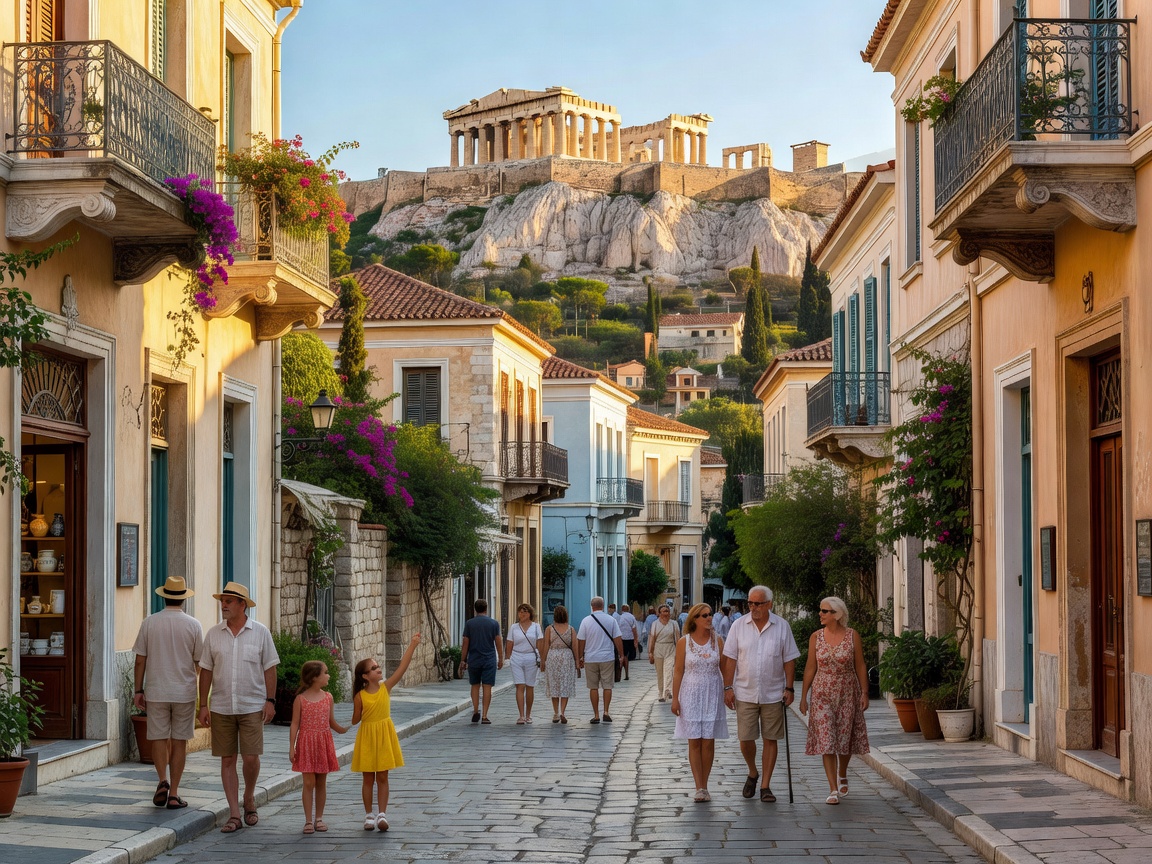
Exploring on Foot
Most major sights sit within a two-kilometre radius of the Acropolis, linked by the pedestrian promenade of Dionysiou Areopagitou and Apostolou Pavlou. Our walking guide covers three tested routes, shade strategies, footwear advice and safety tips.
Plan Smarter
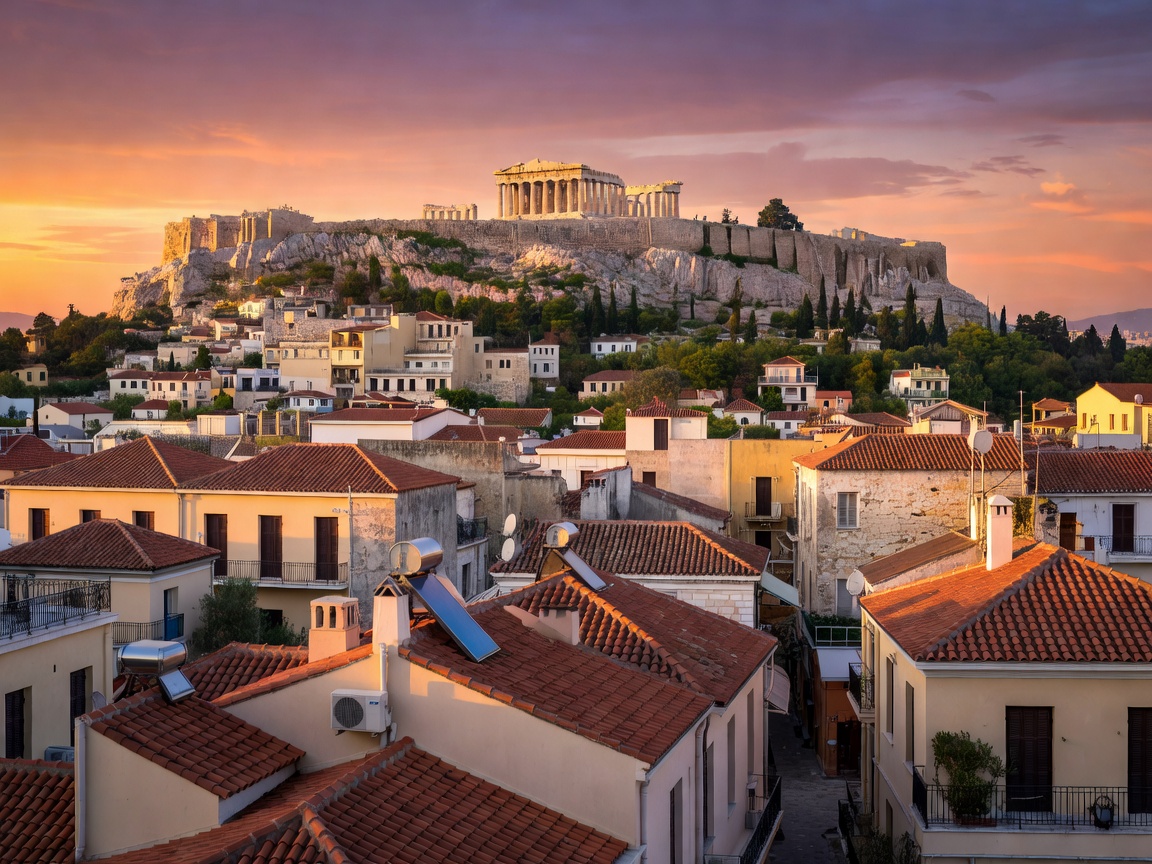
An hour-by-hour plan covering all five attractions with walking times.
Read Itinerary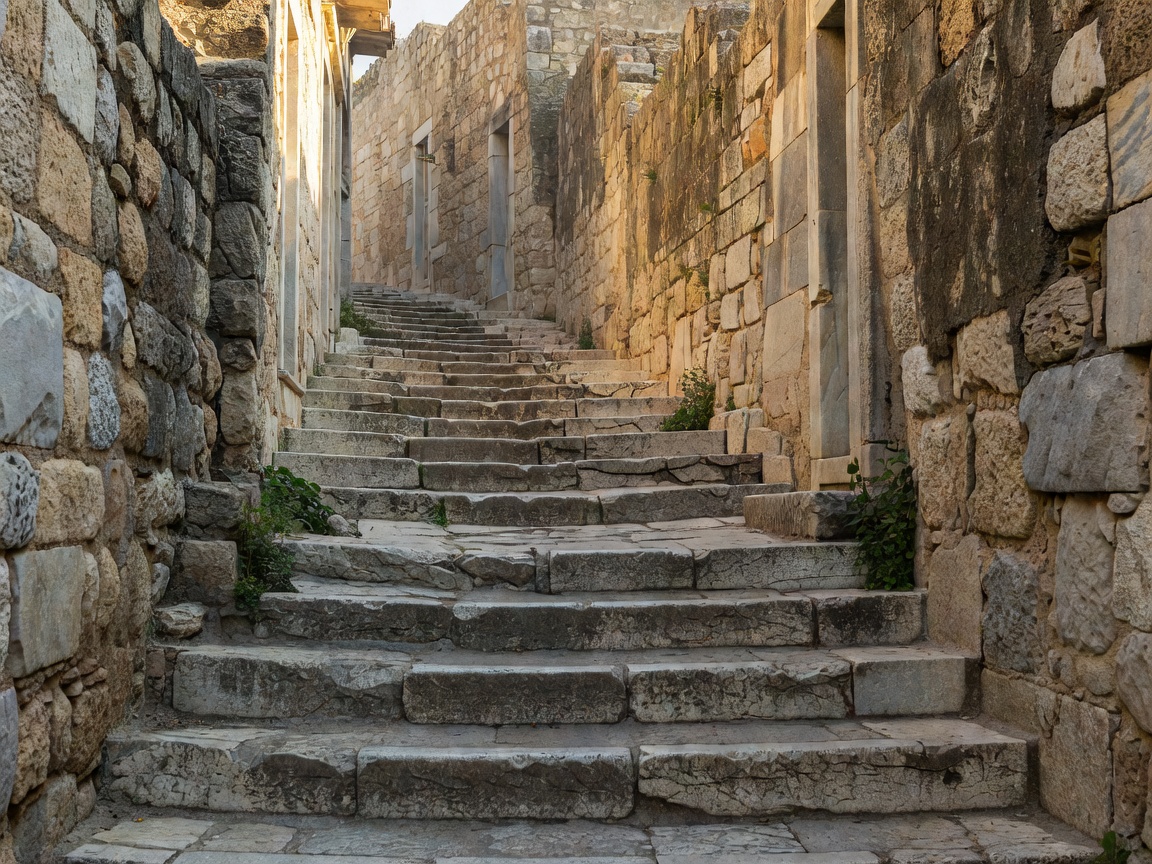
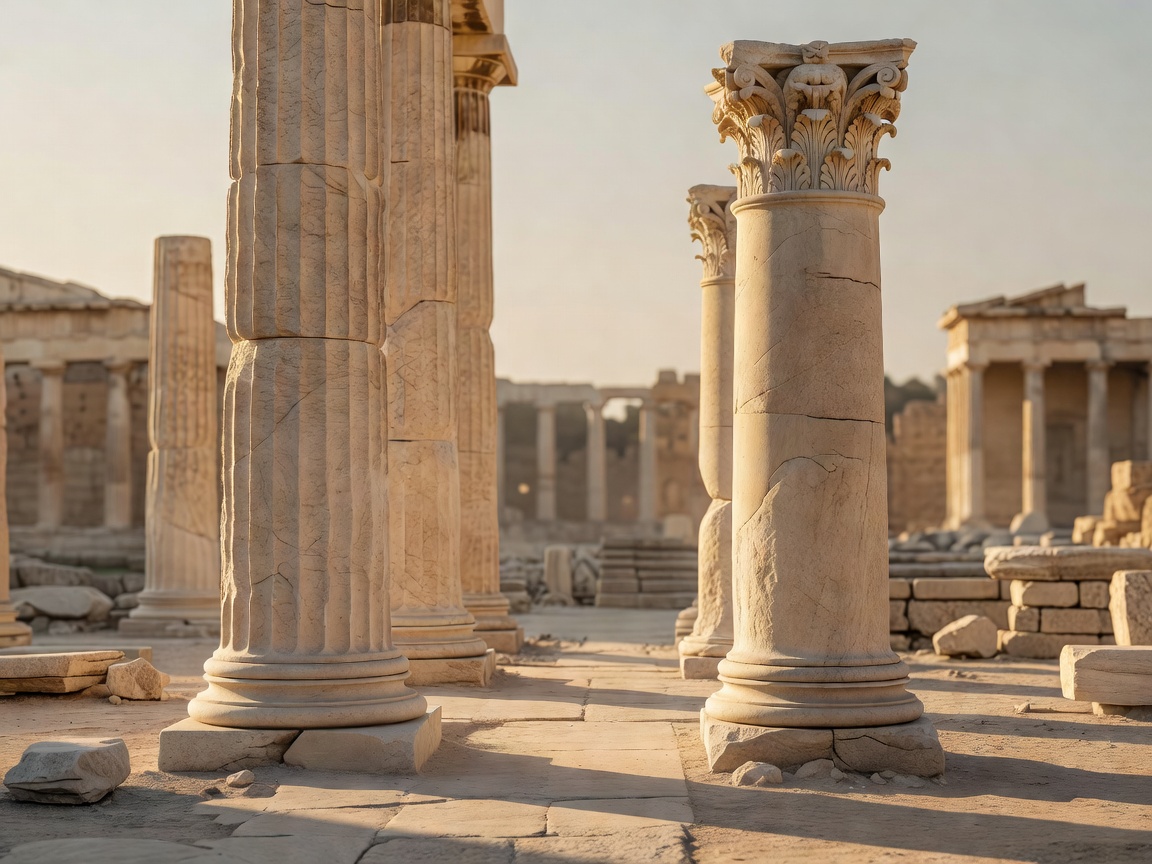
Compare time, price, crowds and best season to choose what fits you.
Compare Now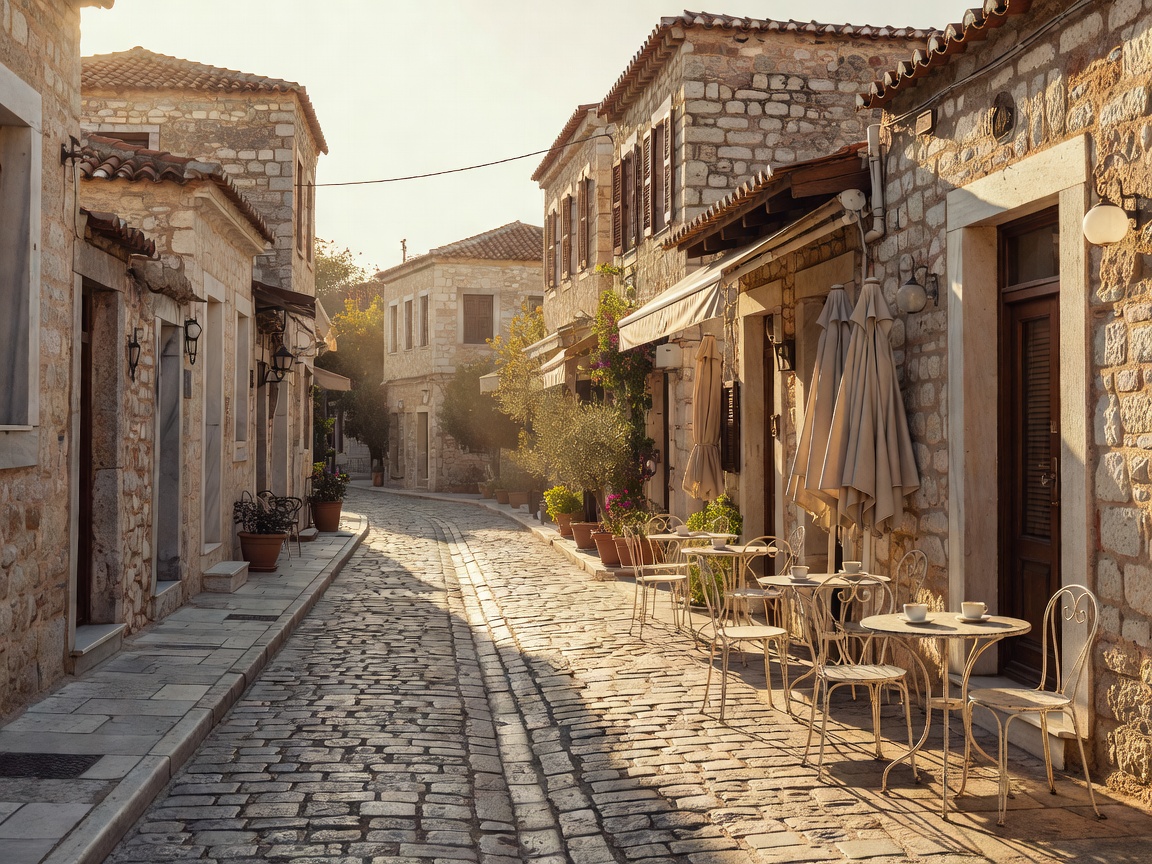
Seasons, tickets, transport, etiquette and safety in one practical guide.
Read EssentialsQuestions
April to early June and mid-September to October offer warm, comfortable weather. July and August regularly exceed 35°C, and the Acropolis can close or restrict access during extreme heat. Winter is quiet and mild but daylight hours are shorter.
Yes, booking is strongly recommended. Entry is managed in timed slots to protect the monument, and popular morning slots sell out in high season. Buy only from the official Hellenic Ministry of Culture e-ticket service.
Yes, if you start early and stay efficient. Our one-day itinerary links all five with about four kilometres of walking, though two days allows a more relaxed pace.
The historic centre is generally safe and busy during the day. Watch for pickpockets on crowded metro lines and around Monastiraki, keep valuables zipped, and take care with scooters and uneven pavements.
Akropoli (Line 2) is the closest, with an exit near the Acropolis Museum. Monastiraki (Lines 1 and 3) and Thissio (Line 1) are good for the Agora and the northern approach.
Start with the Acropolis guide, then build your day with our itinerary and walking routes.